
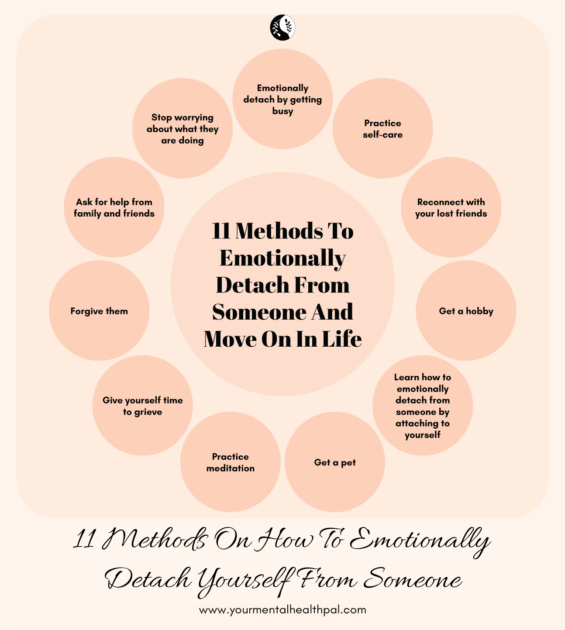
Detachment: Navigating the Emotional Journey of Letting Go
Detaching emotionally from someone you love deeply can be a profoundly challenging experience. It often stems from circumstances like the end of a relationship, a strained family dynamic, or the recognition of unhealthy patterns. While the process can evoke feelings of grief, pain, and uncertainty, it's essential to understand that detachment is a vital step towards emotional well-being and self-preservation. This article will delve into the complexities of emotional detachment, exploring its various facets and offering practical guidance for navigating this arduous journey.
Understanding Emotional Detachment
Emotional detachment isn't about becoming cold or indifferent. Instead, it's a conscious choice to step back from an emotionally charged situation and prioritize your own emotional well-being. It involves shifting your focus away from the person or situation that is causing you distress and redirecting it towards your own needs and growth.
The goal of detachment is not to erase your feelings entirely but rather to gain a healthy distance from the situation. This distance allows you to process your emotions in a more objective and balanced manner, preventing you from being consumed by them.
Reasons for Emotional Detachment
There are several reasons why you might need to emotionally detach from someone you love deeply. These include:
Unhealthy Relationships
When a relationship becomes toxic or abusive, emotional detachment is essential for protecting yourself from further harm. It allows you to break free from the cycle of manipulation, abuse, or dependence.
Unrequited Love
If your feelings for someone are not reciprocated, emotional detachment can help you move on from the pain of unfulfilled desires. It allows you to focus on your own needs and happiness instead of pinning your hopes on an unattainable connection.
Grief and Loss
In the wake of a significant loss, emotional detachment can be a temporary coping mechanism. It allows you to create space for yourself to grieve and process your emotions without feeling overwhelmed by the pain.
Family Conflicts
When family relationships become strained or toxic, emotional detachment can help you maintain your emotional stability. It allows you to set healthy boundaries and prioritize your own well-being, even if it means limiting contact with certain family members.
The Process of Detachment: Stages and Strategies
Emotional detachment is a gradual process that requires patience, self-awareness, and consistent effort. It involves several stages, each with its own unique set of challenges and opportunities:
1. Acknowledgement and Acceptance
The first step towards emotional detachment is to acknowledge and accept the situation. This involves confronting the reality of the situation, acknowledging your feelings, and recognizing the need for change. It's important to be honest with yourself about the reasons for your detachment and the impact the situation has had on your life.
2. Setting Boundaries
Establishing clear boundaries is crucial for protecting your emotional well-being. This means limiting contact with the person or situation that is causing you distress, reducing exposure to reminders of the relationship, and setting limits on communication.
3. Shifting Focus
Once you have created space through boundaries, you can begin to shift your focus away from the person or situation. Engage in activities that bring you joy and fulfillment, reconnect with your passions, and prioritize your own needs and goals.
4. Processing Emotions
Detachment doesn't mean suppressing your emotions. Instead, it involves processing them in a healthy and constructive way. Allow yourself to feel the pain, sadness, anger, or frustration, but avoid dwelling on them for extended periods. Engage in journaling, talking to a therapist, or practicing mindfulness to process your emotions.
5. Self-Care and Support
Emotional detachment can be emotionally taxing. It's essential to prioritize self-care and seek support from trusted friends, family members, or a therapist. This may involve engaging in activities that nurture your physical and emotional well-being, such as exercise, relaxation techniques, or engaging in hobbies.
Addressing Common Challenges
The journey of emotional detachment often presents challenges, particularly when dealing with strong feelings of love, attachment, or obligation. Here are some common difficulties you might encounter:
Guilt and Shame
It's common to feel guilty or ashamed when detaching from someone you love. You may question your motives, worry about hurting the other person, or feel obligated to maintain the relationship. It's important to remember that your well-being matters, and you are not responsible for someone else's emotions or reactions.
The Fear of Loneliness
Detachment can lead to feelings of loneliness, particularly if you are used to being close to the person you are trying to distance yourself from. However, remember that being alone doesn't have to be negative. It can be an opportunity for self-discovery, reflection, and building healthy connections with others.
The Temptation to Re-Engage
You might find yourself tempted to re-engage with the person or situation you are trying to detach from, especially when feeling lonely, overwhelmed, or triggered by memories. Be aware of these tendencies and remind yourself of your reasons for detaching and the positive impact it has on your well-being.
Tips for Success
Here are some practical tips for navigating the journey of emotional detachment:
- Identify your triggers: Be aware of the situations, people, or places that tend to bring up strong emotions related to the person or situation you are detaching from. Avoid these triggers as much as possible to prevent emotional overwhelm.
- Practice self-compassion: Be kind to yourself during this process. Acknowledge that detachment is a difficult journey and allow yourself to feel your emotions without judgment.
- Focus on your own needs: Prioritize your well-being and the things that bring you joy and fulfillment. Engage in activities that nurture your physical, emotional, and spiritual health.
- Seek professional help: If you are struggling to detach, consider seeking professional support from a therapist or counselor. They can provide guidance, support, and coping strategies to help you navigate this challenging process.
- Be patient with yourself: Detachment is a gradual process that takes time. Don't expect to detach overnight. Be patient with yourself and celebrate your progress along the way.
The Importance of Self-Care
Emotional detachment can be emotionally draining. Prioritizing self-care is vital for maintaining your well-being throughout the process. This involves:
- Engaging in activities that bring you joy: Spend time pursuing hobbies, connecting with loved ones, or simply relaxing and enjoying yourself.
- Taking care of your physical health: Eat a balanced diet, exercise regularly, and get enough sleep.
- Practicing mindfulness: Engage in activities like meditation, yoga, or deep breathing exercises to cultivate self-awareness and manage stress.
- Seeking support from others: Talk to friends, family members, or a therapist about your feelings and experiences.
Conclusion
Emotional detachment is a complex process that requires courage, self-awareness, and commitment. It's not about erasing your feelings or becoming indifferent. It's about creating a healthy distance from a situation that is causing you emotional distress and prioritizing your own well-being. While challenging, the journey of detachment can lead to personal growth, self-discovery, and a deeper understanding of your own emotional needs and boundaries. Remember to be patient with yourself, seek support, and focus on your own well-being as you navigate this transformative process.


No comments:
Post a Comment
Note: Only a member of this blog may post a comment.